Periodic Sights (2025)
Art Basel Statements
Dispatches from a long blackout
Rayya Badran
In Lebanon, we are no strangers to darkness in both its literal and figurative meanings. In past years, those meanings became cruelly intertwined: literal darkness set the scene to a gradual ambient darkness of minds. With the recent brutal collapse of the country’s economy and currency, we learned how to navigate absolute darkness — perhaps most acutely during and after the summer of 2021, when fuel became so scarce people had to line up for days at gas stations and private or neighborhood generators had to ration their stocks to power the millions of households and businesses for a few hours a day. No fuel led to interminable power outages and therefore to a life reduced to the few hours of energy we were allocated per day. We became anxiously aware of time and what it allowed us when the lights finally came back on. Everything else became superfluous and we needed to become efficient, quickly.
The continuous blackout limited who we saw and when, deprived us of sleep during the scorching and humid summer weather, and reshaped our relationships to and our movements within our cities and villages; if we had learned to adapt to constant interruptions (political and otherwise) before the collapse, the energy crisis embodied a time of starts, stoppages, and restarts, repeating over and over again oftentimes within hours. It may well take us years to fully contend with our conception of time itself.
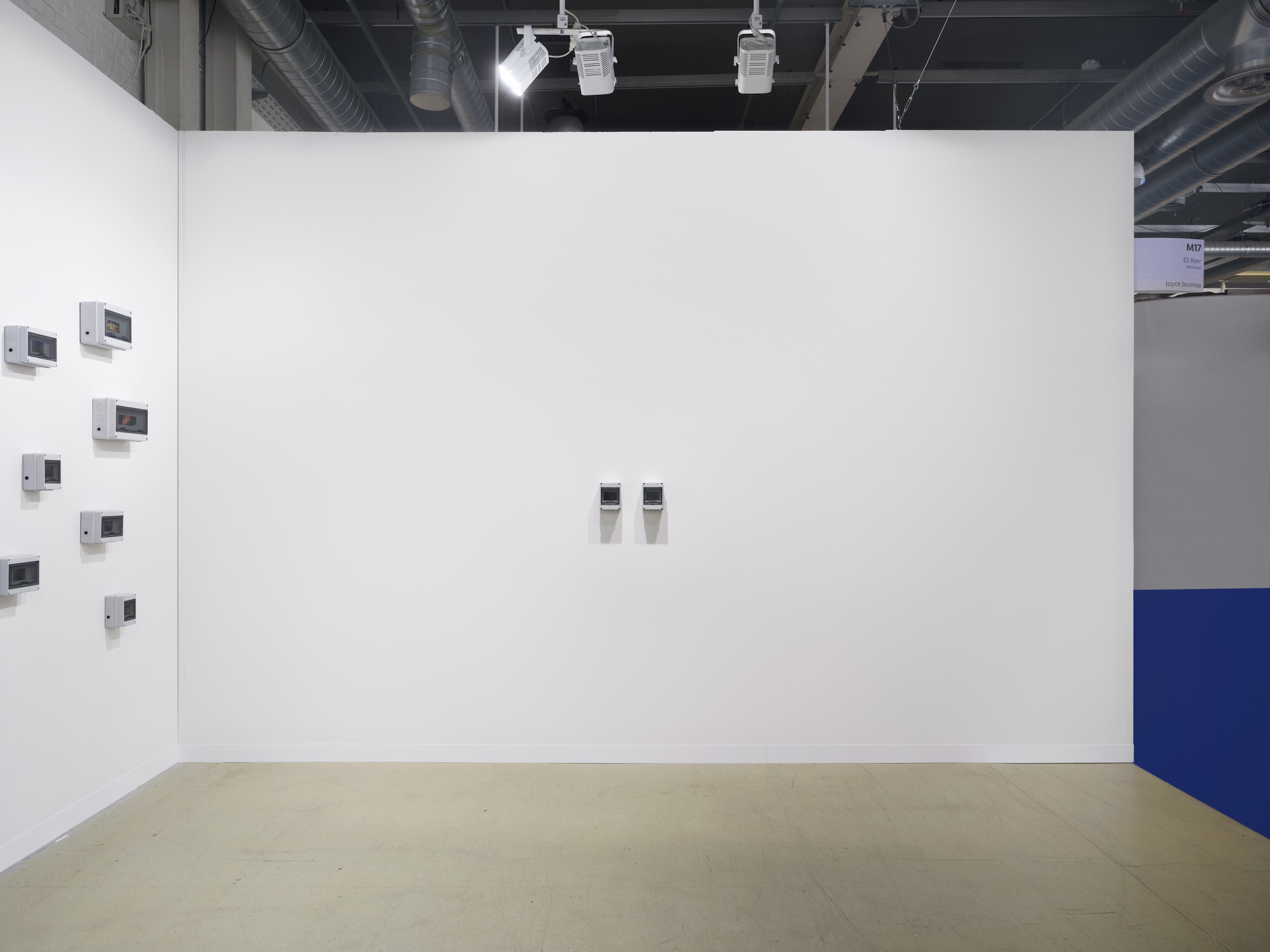
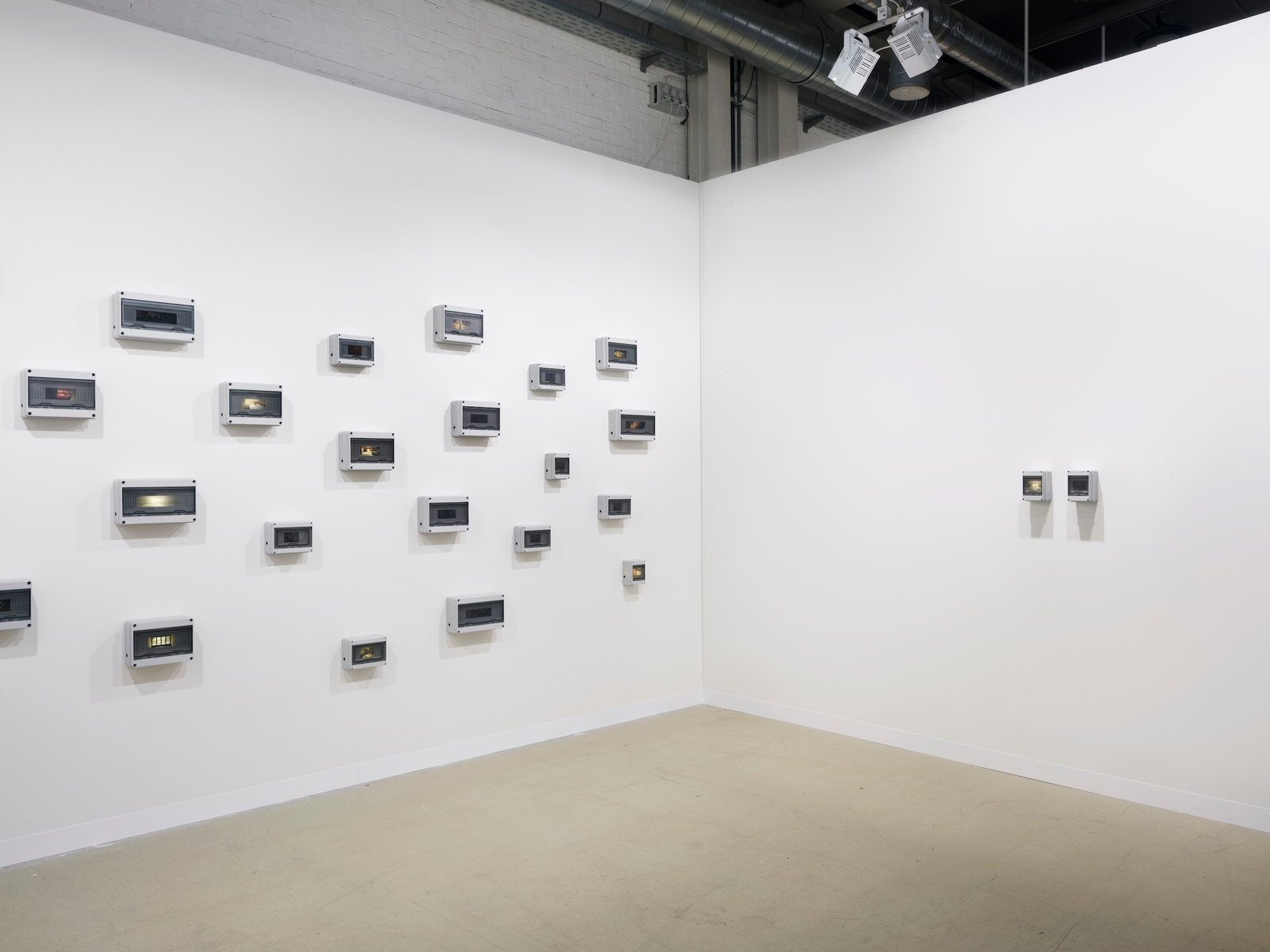
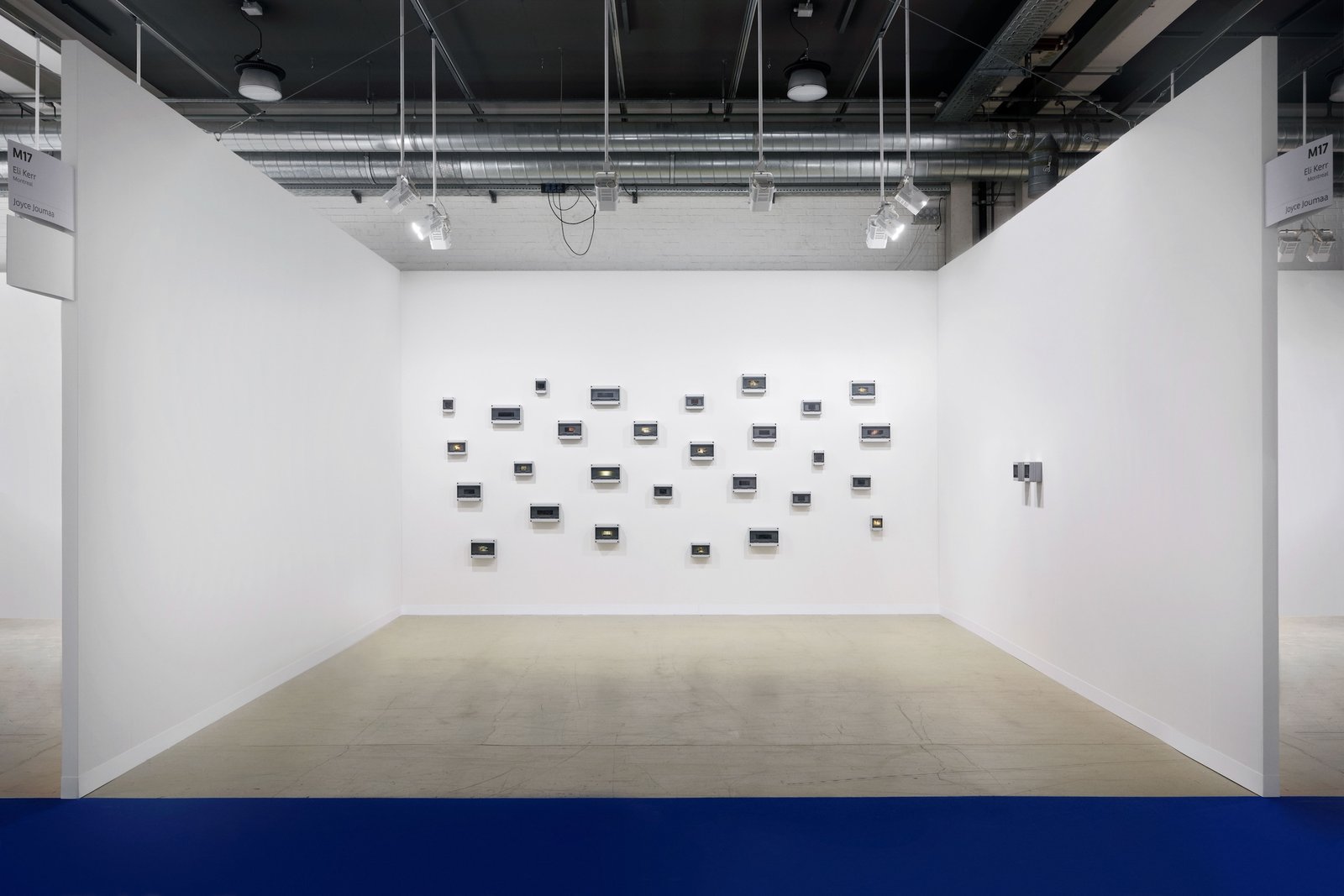
Prior to this acute crisis, the electrical sector was already weak and unpredictable. We were already familiar with the ubiquitous circuit breakers or disjoncteurs, in Lebanese parlance. In her series of breaker boxes, Lebanese artist Joyce Joumaa recreates the breaker boxes and replaces the electrical switches with photographs depicting scenes or details of domestic and commercial spaces: a busy kitchen sink, an electric chandelier, a storefront window, and an empty table and chairs. The images are backlit with timers set according to the timetables and duration when power is restored in each of the locations. They may overlap but they are never turned on all at once as they mirror the consequence of infrastructural failure caused by decades of corruption which renders life and sociality impossibly difficult. To each their own time in the light. Joumaa’s breaker boxes are reminiscent of old stereoscopes through which viewers could watch reels of still life and landscapes, specifically because of their small size and the artist’s use of light to animate the photograph. They are dispatches from another time; they tell someone else’s time. While stereoscopes require that a viewer control the flow of images, neither Joumaa nor her works’ viewers control when the photographs are visible and therefore when a “regular” life can resume its course. By photographing and staging these scenes in the closed quarters of the breaker boxes, the artist invites viewers to wait for the light, as we all do, to peer into the lives and spaces that are both contained within it and constrained by it. In this series, respite from disruption is fleeting and the wait excruciatingly slow.